By: Noah Miller
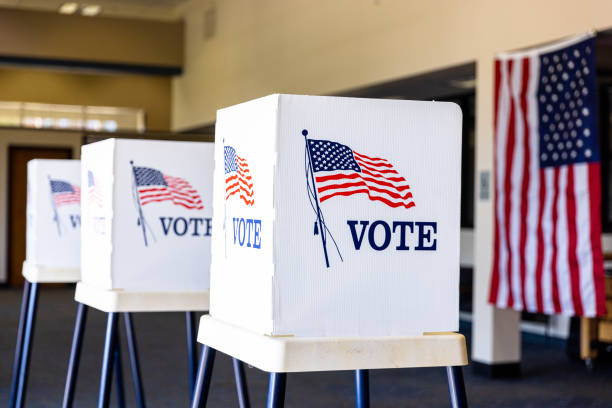
Often overlooked in the pandemonium of presidential election years are the statewide measures, proposals, and referendums listed on the ballot. On election day, voters are able to vote for or against specific proposals, the natures of which are variable, giving some of the power of state legislation back to the electorate.
This most recent cycle was no different from any other. Millions of voters around the country cast ballots with votes on state proposals on the most pressing issues of the day.
In New York City, six proposals appeared on the ballot, only one of which was statewide. Proposal one was to enshrine in the state constitution of New York the protection of rights of all people, regardless of their ethnicity, national origin, age, and disability or sex, including sexual orientation, gender identity, gender expression, pregnancy, pregnancy outcomes, and reproductive healthcare and autonomy. This measure passed, receiving 62% of votes in favor of it.
The five remaining proposals were specific to residents of New York City. Proposal two was to expand the power of the Department of Sanitation to clean city streets. It would also require waste disposal in containers instead of trash bags. This proposal passed with 62% of the vote.
Proposal three required more detailed fiscal analyses of public safety-related legislation and public safety services such as the NYPD or FDNY. This measure passed with 55% of the vote.
Proposal four, which sought to enhance the processes by which the city council and mayor’s office enacted public safety laws, passed with 56% of the vote.
Proposal five changed how the city approaches capital planning and infrastructure maintenance. Like proposals three and four, it would have required detailed fiscal reports, more efficient processes, and a less reactive and more proactive approach to planning. It passed with 58% of the vote.
Proposition six would have created a Chief Business Diversity Officer and promoted city connections with minority and women-owned businesses. It would also have changed how the city granted film permits. However, this measure failed, receiving only 47% of the vote.


 15 East